

Dumpster Rental: Complete Guide to Roll-Off Container Services
Key Takeaways
- Dumpster rentals range from 10 to 40 cubic yards, with pricing starting around $199 depending on size and location
- Rental periods are flexible, typically offering weekly or monthly options with extension possibilities
- Proper placement requires solid, flat surfaces with easy vehicle access for delivery and pickup
- Hazardous materials like paint, batteries, and medical waste are prohibited in rental dumpsters
- Most residential dumpster rentals don’t require permits, but checking local regulations and HOA rules is recommended
Whether you’re tackling a home renovation, managing construction debris, or conducting a major cleanout, the rental of dumpster services provides an efficient solution for waste management. With the construction and renovation industry generating millions of tons of debris annually, temporary roll off dumpster rentals have become essential for both residential and commercial projects.
This comprehensive guide covers everything you need to know about dumpster rental services, from selecting the right dumpster size to understanding pricing structures and placement requirements. By the end, you’ll have the knowledge to make informed decisions that keep your project on schedule and within budget.
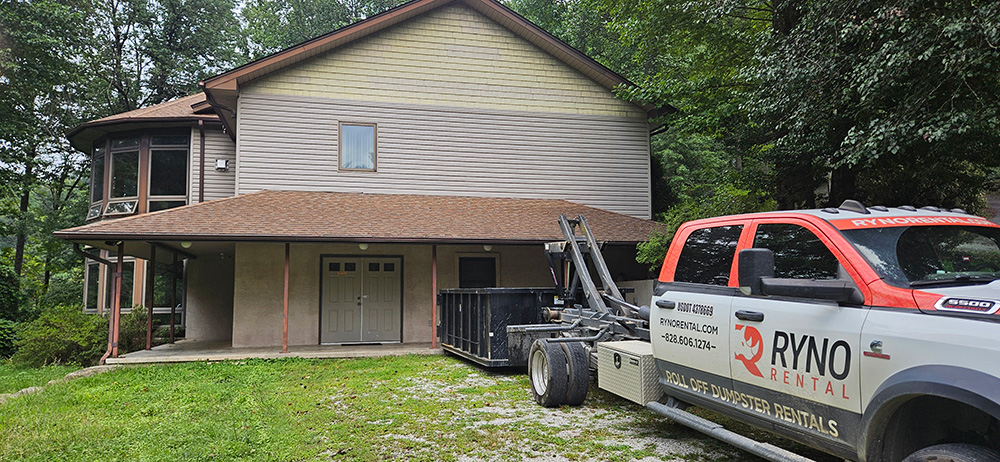
Understanding Dumpster Rental Services
Dumpster rental services provide temporary waste containment solutions through large, heavy-duty containers designed specifically for bulk debris disposal. Unlike regular garbage collection, these roll off dumpsters offer the capacity and convenience needed for projects generating substantial amounts of waste materials.
The benefits of professional waste management versus self-hauling debris are significant. A single 15-yard dumpster can hold the equivalent of eight pickup truck loads, eliminating multiple trips to disposal facilities. This saves valuable time, reduces fuel costs, and minimizes wear on personal vehicles. Additionally, rental companies handle all aspects of disposal, ensuring compliance with local regulations and environmental standards.
Common projects requiring dumpster rentals include home renovations where drywall scraps, flooring materials, and old fixtures accumulate quickly. Construction sites generate concrete, lumber, and roofing materials that exceed typical waste management capacity. Large-scale cleanouts, whether residential estate clearing or commercial space preparation, benefit from the accessibility and volume these containers provide.
The rental process is straightforward: companies deliver the container to your specified location, you fill it during the agreed rental period, and they handle pickup and proper disposal. Most reputable providers offer online account management, making scheduling and extensions convenient for customers managing busy project timelines.
Dumpster Sizes and Capacity Guide
Selecting the right dumpster size is crucial for project success and cost efficiency. Roll off dumpsters come in standard sizes measured in cubic yards, each designed for specific project types and debris volumes.
10-Yard Dumpsters: Measuring 12’L x 7’W x 4.5’H, these compact containers hold approximately 5 pickup truck loads. Despite their smaller size, they’re ideal for heavy materials like concrete, dirt, and roofing shingles due to weight restrictions. Small bathroom renovations and garage cleanouts commonly use this size.
15-Yard Dumpsters: At 17’L x 7’W x 4.5’H, these containers accommodate 8 pickup loads and suit medium home projects. They work well for kitchen remodels, small deck removals, and landscaping projects involving yard waste and soil removal.
20-Yard Dumpsters: The most popular residential choice, measuring 23’L x 7’W x 4.5’H and holding 11 pickup loads. Perfect for whole-home cleanouts, flooring removal projects, and medium renovations. The size balances capacity with practical placement requirements for most residential locations.
30-Yard Dumpsters: Designed for larger renovations, these containers measure 23’L x 7’W x 6.5’H and contain 16 pickup loads. Ideal for major home additions, commercial cleanouts, and projects involving significant construction debris volumes.
40-Yard Dumpsters: The largest option at 23’L x 7’W x 8’H, holding 22 pickup loads. Best suited for major construction projects, commercial demolitions, and large-scale renovations where maximum capacity is essential.
When choosing the right dumpster size, consider both volume and weight. A 20-yard container might seem appropriate for your debris volume, but heavy materials like concrete could exceed weight limits, resulting in additional charges.

Pricing and Rental Terms
Dumpster rental prices vary significantly based on several factors, but understanding the pricing structure helps customers budget effectively. Typical pricing ranges from $199 for smaller containers to higher rates for 40-yard dumpsters, with most residential rentals falling between $300-600 depending on location and rental duration.
Key factors affecting cost include the dumpster size, rental period and waste disposal fees. Dumpster size directly impacts pricing, with larger containers commanding higher rates due to increased disposal volumes and transportation requirements. Rental duration affects total costs, in that a longer period equals a higher price. Though many companies offer competitive weekly and monthly rates with flexible extension policies. The weight of materials significantly influences final pricing. Most rentals include a weight allowance, typically 1-2 tons depending on container size. Heavy materials like concrete, dirt, and gravel require special consideration, as exceeding weight limits results in overage charges of $50-100 per ton.
Reputable rental companies provide transparent pricing with no hidden fees. This includes delivery, pickup, and standard disposal costs within the quoted price. However, customers should understand potential additional charges for prohibited items, overfilled containers, or extended rental periods beyond the initial agreement.
Weekly rental options work well for quick projects like estate cleanouts or small renovations. Monthly rentals better suit construction projects or large-scale remodeling where debris accumulates over extended periods. Many companies offer discounted rates for longer commitments, making monthly options cost-effective for substantial projects.
When comparing dumpster rental prices, consider the total value including delivery reliability, customer service quality, and disposal compliance. The lowest price doesn’t always represent the best solution if it compromises project schedules or creates compliance issues.
Proper Dumpster Placement and Safety
Successful dumpster placement requires careful consideration of location, accessibility, and safety factors. Proper planning prevents delivery complications and ensures efficient use throughout your project.
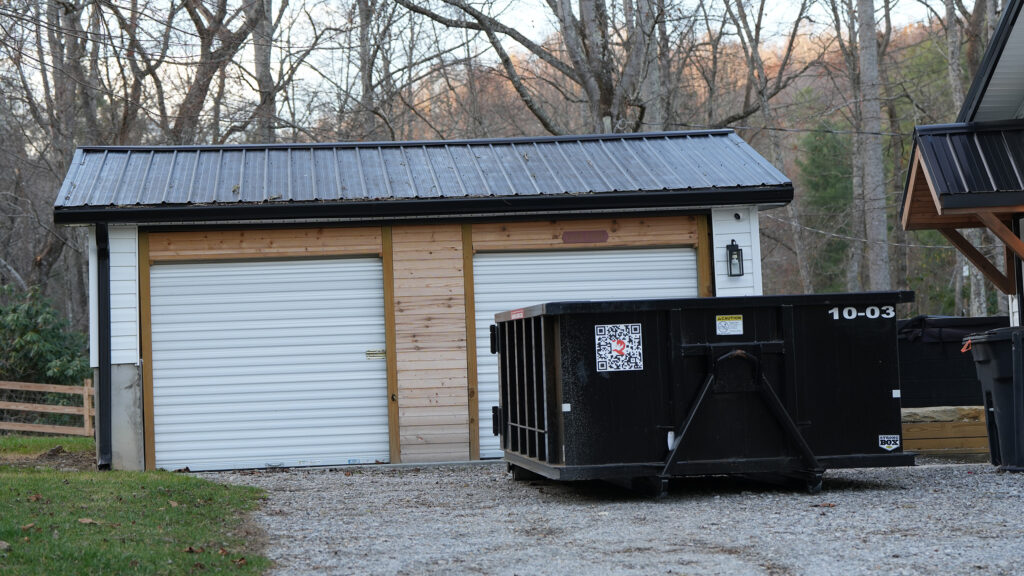
Roll off dumpsters require solid, flat surfaces capable of supporting significant weight when loaded. Driveways typically provide ideal placement, offering stable support and easy access for both loading and pickup. When placing alongside houses, ensure adequate clearance for safe loading while maintaining access for delivery trucks.
Vehicle access is critical for delivery and pickup operations. Delivery trucks typically require 22-foot overhead clearance and 10-foot width clearance for safe positioning. Avoid placement near low-hanging branches, power lines, or narrow passages that could complicate truck maneuvering.
Local permit requirements vary by jurisdiction and placement location. Most single-family residential properties don’t require permits for driveway or private property placement. However, street placement or public property use often requires permits from local authorities. Companies experienced in your service area can provide guidance on specific permit requirements based on your address and planned placement location.
Protection considerations for driveways and landscaping help prevent property damage. Wooden boards or protective mats can distribute weight and prevent driveway damage, particularly on newer or softer surfaces. Ensure adequate clearance from septic systems, underground utilities, and landscaped areas to avoid complications during delivery or pickup.
Safety considerations include maintaining clear access paths for loading debris and ensuring the container doesn’t obstruct vehicle or pedestrian traffic. Position containers to facilitate safe loading while maintaining visibility for drivers and pedestrians in the area.

Acceptable and Prohibited Materials
Understanding acceptable and prohibited materials is essential for compliance and avoiding additional fees. Roll off dumpster rentals accommodate most non-hazardous construction debris and household waste, but specific restrictions apply based on environmental regulations and disposal facility requirements.
Allowed items include construction debris such as lumber, drywall scraps, roofing materials, and concrete (within weight limits). Household junk like furniture, appliances without refrigerants, and general renovation waste are typically acceptable. Yard waste including branches, leaves, and soil can be disposed of in most locations, though some areas have specific restrictions.
Prohibited materials include hazardous waste such as paint, batteries, oil, chemicals, and medical waste. These items require specialized disposal through appropriate facilities and cannot be mixed with general debris. Tires, refrigerators containing refrigerants, and electronic waste often require separate handling due to environmental regulations.
Special considerations apply to heavy materials like concrete, dirt, and gravel. While typically allowed, these materials are subject to strict weight limits due to transportation and disposal constraints. Some companies offer specialized pricing for heavy debris or require separate containers for these materials.
State-specific regulations can affect disposal options. For example, Massachusetts restricts yard waste disposal in certain facilities, requiring separate collection or composting arrangements. Understanding local regulations helps ensure compliance and prevents disposal complications.
Alternative disposal options exist for prohibited items through specialized services. Many communities offer hazardous waste collection days, and retailers often accept electronics and batteries for proper recycling. Planning for these materials separately ensures your dumpster rental focuses on appropriate debris types.
When in doubt about specific materials, contact your rental company for guidance. Experienced providers understand local regulations and can recommend appropriate disposal methods for questionable items, preventing costly complications during pickup.
Choosing the Right Rental Company
Selecting a reliable dumpster rental company significantly impacts your project’s success. Several factors distinguish quality providers from budget alternatives, making careful evaluation essential for optimal results.
Service area coverage affects delivery reliability and pricing. Companies with established routes in your location typically offer better scheduling flexibility and competitive pricing compared to providers extending into new territories. Local knowledge also helps with permit requirements and disposal facility access.
Pricing transparency separates reputable companies from those with hidden fees. Quality providers offer detailed quotes covering delivery, pickup, disposal, and weight allowances. They clearly explain additional charges for overages, prohibited items, or extended rentals, allowing accurate budget planning.
Customer reviews and industry experience provide valuable insights into service quality. Companies with 90+ years of experience and extensive professional training typically demonstrate greater reliability and expertise. Online reviews reveal patterns in customer satisfaction, delivery reliability, and problem resolution.
Online account management and scheduling capabilities reflect modern service standards. Leading providers offer convenient booking, rental extensions, and account management through user-friendly platforms. This accessibility is particularly valuable for busy project managers coordinating multiple contractors and timelines.
Expert consultation services add significant value for complex projects. Experienced representatives can recommend appropriate dumpster sizes based on project scope, suggest optimal placement locations, and provide guidance on local regulations. This expertise prevents costly mistakes and ensures smooth project execution.
Environmental responsibility and recycling programs demonstrate company commitment to sustainability. Many providers actively sort and recycle materials, reducing landfill waste and supporting community environmental goals. This approach aligns with growing customer expectations for responsible waste management.
Consider companies offering comprehensive solutions including various container sizes, flexible rental terms, and specialized services for unique project requirements. This capability ensures they can adapt to changing project needs without requiring multiple vendor relationships.
Frequently Asked Questions
Do I need a permit for a dumpster rental?
Most single-family homes don’t require permits for driveway or private property placement, but regulations vary by location and placement site. Street placement typically requires permits from local authorities, and some HOA communities have specific rules about temporary containers. Contact your rental company for guidance on your specific address and placement requirements, as experienced providers understand local regulations and can help verify permit needs.
How far in advance should I schedule my rental?
It’s recommended to book 3-7 days in advance, especially during peak construction seasons in spring and summer when demand for roll off containers is highest. Popular sizes like 15-yard dumpsters may have limited availability during busy periods. For large projects requiring specific delivery dates, booking 1-2 weeks ahead ensures availability and allows time for any necessary permits.
What happens if I exceed the weight limit?
Most rentals include a weight allowance typically ranging from 1-2 tons depending on container size, but exceeding this limit results in overage charges of $50-100 per ton. Heavy materials like concrete, dirt, and gravel require special consideration and may need specialized pricing or separate containers. Your rental company will weigh the container during pickup and bill for any overages based on actual weight.
Can I change my rental period after delivery?
Yes, most companies offer flexible extensions when you need to keep the dumpster longer than originally planned. Contact your rental provider as soon as you know you need additional time, as this helps them adjust pickup schedules. If you fill the container earlier than expected, most companies can accommodate early pickup requests, though this may not reduce rental fees depending on your agreement terms.
What should I do if my dumpster gets damaged?
Report any damage immediately to your rental company, preferably with photos documenting the issue. Normal wear from loading debris is expected and won’t result in charges, but customer-caused damage like cuts from sharp objects or impact damage may result in repair fees. Most rental agreements specify damage policies, so review your contract terms and communicate promptly with your provider to resolve any issues fairly.
EXPLORE MORE
RELATED ARTICLES
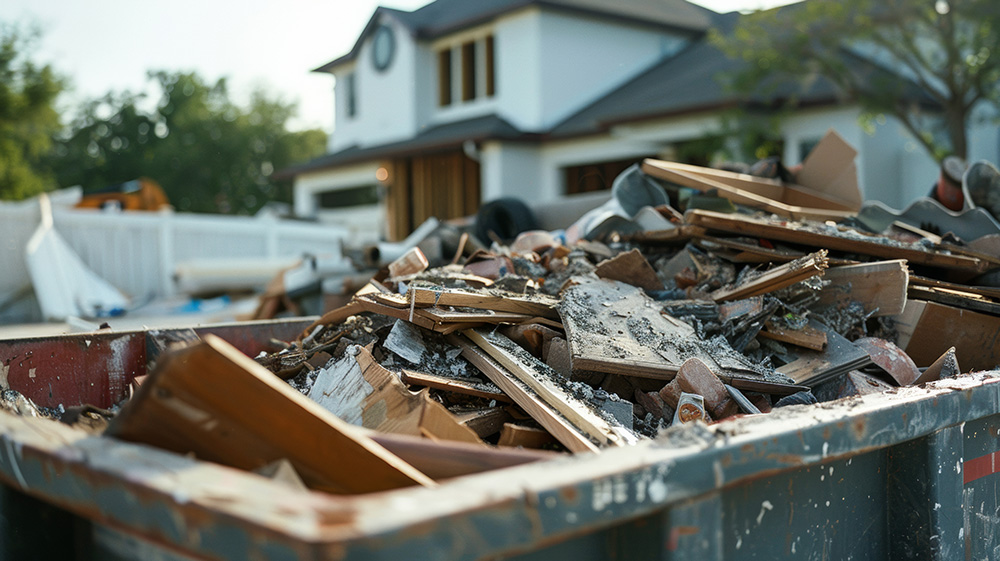
When your next home renovation or construction project generates more debris than your regular trash service can handle, garbage dumpster…
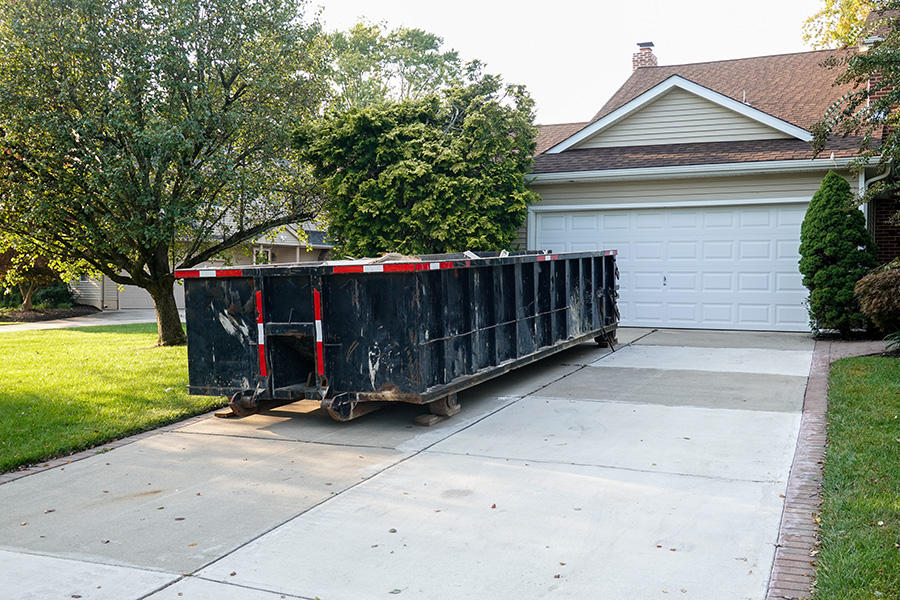
Looking to rent a small rental dumpster? This guide covers the sizes, costs, and tips for selecting the perfect dumpster…
Select Top Roll Off Service for Efficient Waste Management Top Roll Off Service for Efficient Waste Management Roll off services…

Dumpster Rental: Complete Guide to Roll-Off Container Services
Key Takeaways
- Dumpster rentals range from 10 to 40 cubic yards, with pricing starting around $199 depending on size and location
- Rental periods are flexible, typically offering weekly or monthly options with extension possibilities
- Proper placement requires solid, flat surfaces with easy vehicle access for delivery and pickup
- Hazardous materials like paint, batteries, and medical waste are prohibited in rental dumpsters
- Most residential dumpster rentals don’t require permits, but checking local regulations and HOA rules is recommended
Whether you’re tackling a home renovation, managing construction debris, or conducting a major cleanout, the rental of dumpster services provides an efficient solution for waste management. With the construction and renovation industry generating millions of tons of debris annually, temporary roll off dumpster rentals have become essential for both residential and commercial projects.
This comprehensive guide covers everything you need to know about dumpster rental services, from selecting the right dumpster size to understanding pricing structures and placement requirements. By the end, you’ll have the knowledge to make informed decisions that keep your project on schedule and within budget.
Understanding Dumpster Rental Services
Dumpster rental services provide temporary waste containment solutions through large, heavy-duty containers designed specifically for bulk debris disposal. Unlike regular garbage collection, these roll off dumpsters offer the capacity and convenience needed for projects generating substantial amounts of waste materials.
The benefits of professional waste management versus self-hauling debris are significant. A single 15-yard dumpster can hold the equivalent of eight pickup truck loads, eliminating multiple trips to disposal facilities. This saves valuable time, reduces fuel costs, and minimizes wear on personal vehicles. Additionally, rental companies handle all aspects of disposal, ensuring compliance with local regulations and environmental standards.
Common projects requiring dumpster rentals include home renovations where drywall scraps, flooring materials, and old fixtures accumulate quickly. Construction sites generate concrete, lumber, and roofing materials that exceed typical waste management capacity. Large-scale cleanouts, whether residential estate clearing or commercial space preparation, benefit from the accessibility and volume these containers provide.
The rental process is straightforward: companies deliver the container to your specified location, you fill it during the agreed rental period, and they handle pickup and proper disposal. Most reputable providers offer online account management, making scheduling and extensions convenient for customers managing busy project timelines.
Dumpster Sizes and Capacity Guide
Selecting the right dumpster size is crucial for project success and cost efficiency. Roll off dumpsters come in standard sizes measured in cubic yards, each designed for specific project types and debris volumes.
10-Yard Dumpsters: Measuring 12’L x 7’W x 4.5’H, these compact containers hold approximately 5 pickup truck loads. Despite their smaller size, they’re ideal for heavy materials like concrete, dirt, and roofing shingles due to weight restrictions. Small bathroom renovations and garage cleanouts commonly use this size.
15-Yard Dumpsters: At 17’L x 7’W x 4.5’H, these containers accommodate 8 pickup loads and suit medium home projects. They work well for kitchen remodels, small deck removals, and landscaping projects involving yard waste and soil removal.
20-Yard Dumpsters: The most popular residential choice, measuring 23’L x 7’W x 4.5’H and holding 11 pickup loads. Perfect for whole-home cleanouts, flooring removal projects, and medium renovations. The size balances capacity with practical placement requirements for most residential locations.
30-Yard Dumpsters: Designed for larger renovations, these containers measure 23’L x 7’W x 6.5’H and contain 16 pickup loads. Ideal for major home additions, commercial cleanouts, and projects involving significant construction debris volumes.
40-Yard Dumpsters: The largest option at 23’L x 7’W x 8’H, holding 22 pickup loads. Best suited for major construction projects, commercial demolitions, and large-scale renovations where maximum capacity is essential.
When choosing the right dumpster size, consider both volume and weight. A 20-yard container might seem appropriate for your debris volume, but heavy materials like concrete could exceed weight limits, resulting in additional charges.
Pricing and Rental Terms
Dumpster rental prices vary significantly based on several factors, but understanding the pricing structure helps customers budget effectively. Typical pricing ranges from $199 for smaller containers to higher rates for 40-yard dumpsters, with most residential rentals falling between $300-600 depending on location and rental duration.
Key factors affecting cost include the dumpster size, rental period and waste disposal fees. Dumpster size directly impacts pricing, with larger containers commanding higher rates due to increased disposal volumes and transportation requirements. Rental duration affects total costs, in that a longer period equals a higher price. Though many companies offer competitive weekly and monthly rates with flexible extension policies. The weight of materials significantly influences final pricing. Most rentals include a weight allowance, typically 1-2 tons depending on container size. Heavy materials like concrete, dirt, and gravel require special consideration, as exceeding weight limits results in overage charges of $50-100 per ton.
Reputable rental companies provide transparent pricing with no hidden fees. This includes delivery, pickup, and standard disposal costs within the quoted price. However, customers should understand potential additional charges for prohibited items, overfilled containers, or extended rental periods beyond the initial agreement.
Weekly rental options work well for quick projects like estate cleanouts or small renovations. Monthly rentals better suit construction projects or large-scale remodeling where debris accumulates over extended periods. Many companies offer discounted rates for longer commitments, making monthly options cost-effective for substantial projects.
When comparing dumpster rental prices, consider the total value including delivery reliability, customer service quality, and disposal compliance. The lowest price doesn’t always represent the best solution if it compromises project schedules or creates compliance issues.
Proper Dumpster Placement and Safety
Successful dumpster placement requires careful consideration of location, accessibility, and safety factors. Proper planning prevents delivery complications and ensures efficient use throughout your project.
Roll off dumpsters require solid, flat surfaces capable of supporting significant weight when loaded. Driveways typically provide ideal placement, offering stable support and easy access for both loading and pickup. When placing alongside houses, ensure adequate clearance for safe loading while maintaining access for delivery trucks.
Vehicle access is critical for delivery and pickup operations. Delivery trucks typically require 22-foot overhead clearance and 10-foot width clearance for safe positioning. Avoid placement near low-hanging branches, power lines, or narrow passages that could complicate truck maneuvering.
Local permit requirements vary by jurisdiction and placement location. Most single-family residential properties don’t require permits for driveway or private property placement. However, street placement or public property use often requires permits from local authorities. Companies experienced in your service area can provide guidance on specific permit requirements based on your address and planned placement location.
Protection considerations for driveways and landscaping help prevent property damage. Wooden boards or protective mats can distribute weight and prevent driveway damage, particularly on newer or softer surfaces. Ensure adequate clearance from septic systems, underground utilities, and landscaped areas to avoid complications during delivery or pickup.
Safety considerations include maintaining clear access paths for loading debris and ensuring the container doesn’t obstruct vehicle or pedestrian traffic. Position containers to facilitate safe loading while maintaining visibility for drivers and pedestrians in the area.
Acceptable and Prohibited Materials
Understanding acceptable and prohibited materials is essential for compliance and avoiding additional fees. Roll off dumpster rentals accommodate most non-hazardous construction debris and household waste, but specific restrictions apply based on environmental regulations and disposal facility requirements.
Allowed items include construction debris such as lumber, drywall scraps, roofing materials, and concrete (within weight limits). Household junk like furniture, appliances without refrigerants, and general renovation waste are typically acceptable. Yard waste including branches, leaves, and soil can be disposed of in most locations, though some areas have specific restrictions.
Prohibited materials include hazardous waste such as paint, batteries, oil, chemicals, and medical waste. These items require specialized disposal through appropriate facilities and cannot be mixed with general debris. Tires, refrigerators containing refrigerants, and electronic waste often require separate handling due to environmental regulations.
Special considerations apply to heavy materials like concrete, dirt, and gravel. While typically allowed, these materials are subject to strict weight limits due to transportation and disposal constraints. Some companies offer specialized pricing for heavy debris or require separate containers for these materials.
State-specific regulations can affect disposal options. For example, Massachusetts restricts yard waste disposal in certain facilities, requiring separate collection or composting arrangements. Understanding local regulations helps ensure compliance and prevents disposal complications.
Alternative disposal options exist for prohibited items through specialized services. Many communities offer hazardous waste collection days, and retailers often accept electronics and batteries for proper recycling. Planning for these materials separately ensures your dumpster rental focuses on appropriate debris types.
When in doubt about specific materials, contact your rental company for guidance. Experienced providers understand local regulations and can recommend appropriate disposal methods for questionable items, preventing costly complications during pickup.
Choosing the Right Rental Company
Selecting a reliable dumpster rental company significantly impacts your project’s success. Several factors distinguish quality providers from budget alternatives, making careful evaluation essential for optimal results.
Service area coverage affects delivery reliability and pricing. Companies with established routes in your location typically offer better scheduling flexibility and competitive pricing compared to providers extending into new territories. Local knowledge also helps with permit requirements and disposal facility access.
Pricing transparency separates reputable companies from those with hidden fees. Quality providers offer detailed quotes covering delivery, pickup, disposal, and weight allowances. They clearly explain additional charges for overages, prohibited items, or extended rentals, allowing accurate budget planning.
Customer reviews and industry experience provide valuable insights into service quality. Companies with 90+ years of experience and extensive professional training typically demonstrate greater reliability and expertise. Online reviews reveal patterns in customer satisfaction, delivery reliability, and problem resolution.
Online account management and scheduling capabilities reflect modern service standards. Leading providers offer convenient booking, rental extensions, and account management through user-friendly platforms. This accessibility is particularly valuable for busy project managers coordinating multiple contractors and timelines.
Expert consultation services add significant value for complex projects. Experienced representatives can recommend appropriate dumpster sizes based on project scope, suggest optimal placement locations, and provide guidance on local regulations. This expertise prevents costly mistakes and ensures smooth project execution.
Environmental responsibility and recycling programs demonstrate company commitment to sustainability. Many providers actively sort and recycle materials, reducing landfill waste and supporting community environmental goals. This approach aligns with growing customer expectations for responsible waste management.
Consider companies offering comprehensive solutions including various container sizes, flexible rental terms, and specialized services for unique project requirements. This capability ensures they can adapt to changing project needs without requiring multiple vendor relationships.
Frequently Asked Questions
Do I need a permit for a dumpster rental?
Most single-family homes don’t require permits for driveway or private property placement, but regulations vary by location and placement site. Street placement typically requires permits from local authorities, and some HOA communities have specific rules about temporary containers. Contact your rental company for guidance on your specific address and placement requirements, as experienced providers understand local regulations and can help verify permit needs.
How far in advance should I schedule my rental?
It’s recommended to book 3-7 days in advance, especially during peak construction seasons in spring and summer when demand for roll off containers is highest. Popular sizes like 15-yard dumpsters may have limited availability during busy periods. For large projects requiring specific delivery dates, booking 1-2 weeks ahead ensures availability and allows time for any necessary permits.
What happens if I exceed the weight limit?
Most rentals include a weight allowance typically ranging from 1-2 tons depending on container size, but exceeding this limit results in overage charges of $50-100 per ton. Heavy materials like concrete, dirt, and gravel require special consideration and may need specialized pricing or separate containers. Your rental company will weigh the container during pickup and bill for any overages based on actual weight.
Can I change my rental period after delivery?
Yes, most companies offer flexible extensions when you need to keep the dumpster longer than originally planned. Contact your rental provider as soon as you know you need additional time, as this helps them adjust pickup schedules. If you fill the container earlier than expected, most companies can accommodate early pickup requests, though this may not reduce rental fees depending on your agreement terms.
What should I do if my dumpster gets damaged?
Report any damage immediately to your rental company, preferably with photos documenting the issue. Normal wear from loading debris is expected and won’t result in charges, but customer-caused damage like cuts from sharp objects or impact damage may result in repair fees. Most rental agreements specify damage policies, so review your contract terms and communicate promptly with your provider to resolve any issues fairly.
EXPLORE MORE
RELATED ARTICLES

Garbage Dumpster Rental: Complete Guide to Roll-Off Container Services
When your next home renovation or construction project generates more debris than your regular trash service can handle, garbage dumpster rental becomes your most practical solution. Whether you’re tackling a bathroom remodel, clearing out an estate, or managing a commercial construction site, temporary waste disposal through roll off dumpster rental…
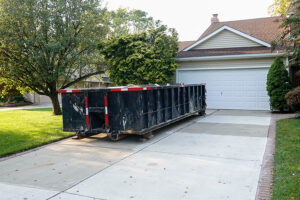
The Ultimate Guide to Small Rental Dumpster Costs and Sizes
Looking to rent a small rental dumpster? This guide covers the sizes, costs, and tips for selecting the perfect dumpster for your home renovation, yard cleanup, or small construction project. Key Takeaways Understanding Small Rental Dumpsters Our collection of rental dumpsters are designed to support a diverse array of both…

Top Roll Off Service for Efficient Waste Management
Select Top Roll Off Service for Efficient Waste Management Top Roll Off Service for Efficient Waste Management Roll off services provide large dumpsters for efficient waste management during projects like home renovations, construction work, and large-scale cleanups. These roll off services handle delivery and pickup, saving you trips to disposal…

Mills River Dumpster Rental
Mills River Dumpster Rental Services – Reliable and Affordable Solutions Are you looking for dependable dumpster rental services in Mills River, NC? Look no further than Ryno Rental. Whether you’re tackling a home renovation, cleaning out the garage, or managing a construction site, we provide the perfect solution to meet…